The Best Day-Use Onsen in Hakone
Where to soak in Hakone without staying the night: Tenzan, Hakone Yuryo's private baths, Yunessun, prices, hours and tattoo rules. Checked October 2026.
You do not need a ryokan room to bathe in Hakone. Two day-use baths near Hakone-Yumoto station cover most visitors: Tenzan for an old-style forest bath at about ¥1,450, paid in cash, and Hakone Yuryo for a modern bathhouse that also rents private open-air baths by the hour. Both take walk-ins, both are a short shuttle ride from the station, and both say they welcome guests with tattoos, though Tenzan’s policy comes with conditions. (Prices and rules checked October 2026.)
The day-use baths compared
| Bath | Adult price | Private baths | Tattoos | Booking |
|---|---|---|---|---|
| Tenzan Tohji-kyo | About ¥1,450, cash only | No | Accepted if you come alone and cover up between baths | No reservations; walk in |
| Hakone Yuryo | ¥1,700–1,800 weekdays, ¥2,000–2,200 weekends and holidays | 19 private open-air bath rooms | Promotes itself as tattoo-friendly | Walk in to the public baths; book private rooms online up to a month ahead |
| Yunessun | Priced per zone | No | Swimsuit zone is relaxed | Walk in |
| Ryokan day plans | Varies, often with lunch | Some offer private kashikiri baths | Varies by inn | Usually booked ahead |
Tenzan: the traditional choice
Tenzan Tohji-kyo sits in the forest above Hakone-Yumoto, with open-air pools of different temperatures set among rocks and trees. It calls itself a place for toji, the old idea of the hot-spring cure, and it runs like one: no swimsuits, no private baths, men and women bathe separately, and you bring a small towel or buy one at the desk for ¥200. Pay in cash; there is no ATM nearby.
Its tattoo rule is unusual and specific. A guest with tattoos is accepted if they come alone and wear a jacket to cover them while moving around. If two or more tattooed guests are inside at the same time, even of different genders and even if they arrived separately, they are asked to leave.
From Hakone-Yumoto station a small shuttle bus or the local bus takes about 10 to 20 minutes.
Hakone Yuryo: the easy choice, and private baths
Hakone Yuryo is a large day-only bathhouse, with no rooms to stay in. The public baths have indoor pools, open-air pools, ceramic tub baths and saunas. Children aged 6 to 12 pay ¥1,000; children under 6 are not admitted. It opens at 10:00 and closes at 20:00 on weekdays (last entry 19:00) and at 21:00 on weekends and holidays (last entry 20:00).
Its main draw for visitors is Hanare Yuya Kaden, a row of 19 private rooms, each with its own open-air bath. You book them online from a month ahead until 15:00 the day before, and the room is yours for the session, so families, couples and anyone with tattoos can bathe together and in privacy. Odakyu’s listing puts a 120-minute room at roughly ¥10,400 to ¥15,400 depending on the room and the day; check the current rate when you book.
Yunessun: swimsuits allowed
Yunessun in Kowakudani is a hot-spring theme park. In its main zone you wear a swimsuit and move between themed pools, which makes it the easiest option for families and for anyone uneasy about bathing nude. It has a separate traditional zone, Mori no Yu, where the usual onsen rules apply. Tickets are sold per zone or as a combined pass; check the current prices on its website.
Is there a private onsen in Hakone?
Yes, in three forms. Hakone Yuryo rents private baths by the session to day visitors. Many ryokan have kashikiri baths that guests book for 45 minutes to an hour, and some sell them to non-staying visitors with a day plan. And the top tier of ryokan rooms come with their own open-air bath on the balcony, which is the most private option and the most expensive.
If you would rather have the whole day arranged, including a soak, there is a private tour from Tokyo whose itinerary includes Tenzan, alongside Lake Ashi, Hakone Shrine and the Hakone Open-Air Museum, with hotel pickup. It is priced per group, at $948 for up to five people, and entry fees such as the bath are paid on the day. (Checked October 2026.)
Can you wear a swimsuit in a Hakone onsen?
Not in a traditional onsen. You bathe nude after washing at the seated showers, and your small towel stays out of the water. The exceptions are swimsuit zones such as Yunessun’s main area. Our etiquette and tattoo guide walks through the full routine.
Which Hakone onsen has a view of Mount Fuji?
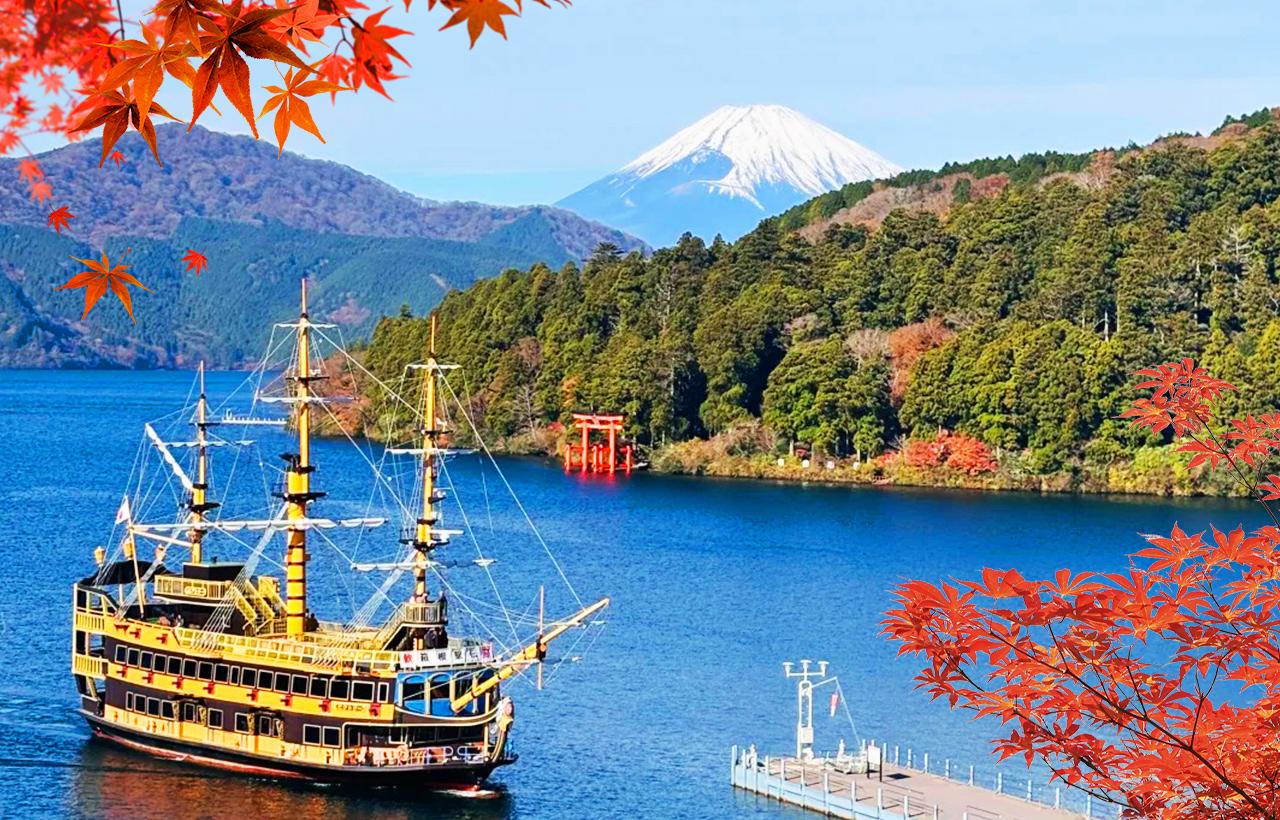
Fewer than you might hope. Hakone-Yumoto and the other old onsen towns sit in river valleys, so their baths look onto forest, not the mountain. Baths with Fuji in view are mostly at hotels and ryokan on the Lake Ashi and Sengokuhara side, facing west. If a Fuji view matters, ask the inn before you book, and remember that the mountain is often hidden in cloud.
How long should you stay in the water?
Ten to fifteen minutes at a time is plenty, with breaks in between. Hakone’s water is hot, and the most common reason visitors feel dizzy or sick after an onsen is staying in too long without drinking water. Rinse off before you get in; most people do not shower again afterwards, so the minerals stay on the skin.
Fitting a soak into a day trip
The guided day trips from Tokyo do not stop to bathe. If you are travelling independently, the easiest plan is to finish the Hakone loop at Hakone-Yumoto in the late afternoon, soak at Tenzan or Hakone Yuryo, and take the train back to Shinjuku. If you are on a tour, a soak means staying the night or coming back another day. Our ryokan vs day-use guide helps you decide.
Seeing Hakone first?
Day Trips That Pass Through Hakone
None of these includes a bath, but several pass through Hakone-Yumoto, where most of the day-use onsen are.